Emergency Dentist Beverly Hills for Facial Swelling and Tooth Infections
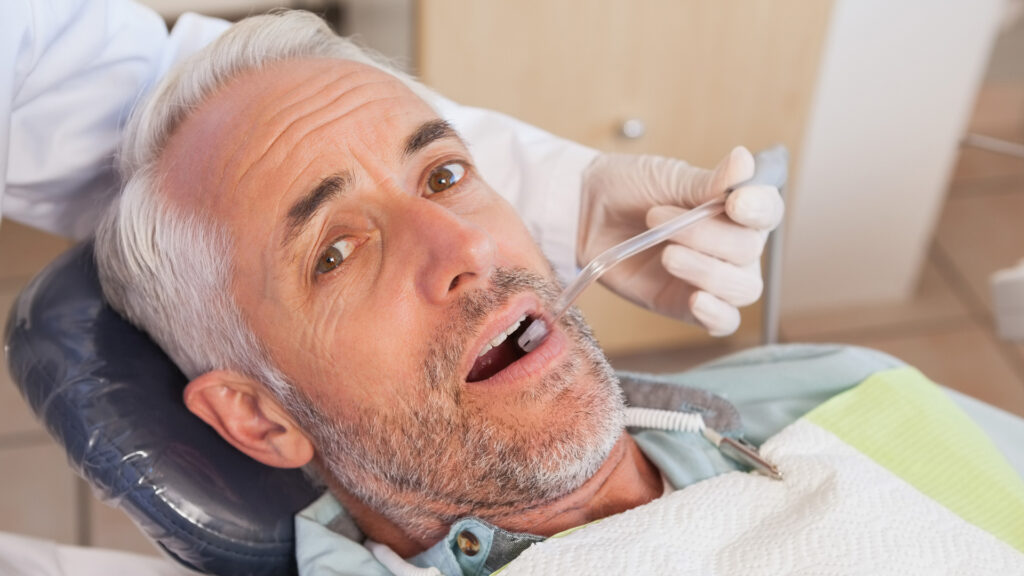

Facial swelling tied to a dental problem is not something to watch casually for a few days and hope it settles down. In practice, swelling around a tooth, the gums, the jaw, or the cheek often signals infection, and infections in the mouth do not always stay politely contained. They can spread into deeper tissues, intensify quickly, and turn a painful dental problem into a true medical emergency.
That is why patients searching for an Emergency Dentist Beverly Hills are often not simply dealing with a bad toothache. They may be waking up with one side of the face noticeably puffy, struggling to chew, feeling pressure under the jaw, or noticing that the gum around a tooth looks raised and angry. Sometimes the tooth is the obvious culprit. Other times the swelling is what gets their attention first, and the underlying infection has been simmering for days or even weeks.
The key issue is timing. A small cavity can wait for a routine appointment. Facial swelling and suspected tooth infection usually should not.
Why swelling around a tooth deserves urgent care
A dental infection usually begins in one of two places. It either starts inside the tooth, often after deep decay or trauma reaches the pulp, or it begins in the gum and supporting tissues around the tooth. In either case, bacteria can multiply in a confined space. Pressure builds, tissues become inflamed, and pain often follows. Once that process pushes beyond the tooth or gum pocket, the body reacts with swelling.
Patients describe this in vivid ways. Some say it feels like a heartbeat inside the tooth. Others say the cheek feels “full” or “hot.” A few notice that the face looks uneven in photos before the pain becomes severe. That variation matters because there is no single pattern that neatly separates a mild issue from a dangerous one. I have seen modest swelling linked to a significant infection, and dramatic swelling caused by something that developed overnight.
What makes dental swelling especially concerning is anatomy. The teeth are close to spaces in the face and jaw where infection can travel. Lower tooth infections can spread into the floor of the mouth or beneath the jaw. Upper tooth infections can affect the cheek and, in uncommon but serious cases, structures around the eye or sinus area. This is one reason dentists take swelling seriously even when a patient says, “It only started this morning.”
The difference between irritation and infection
Not every sore tooth produces swelling, and not every swollen gum means a spreading infection. Food can get trapped, a sharp chip can irritate the gum, and recent dental work can leave tissues tender for a day or two. The challenge is that early infection can look deceptively simple at first.
A gum abscess often appears as a localized swollen bump near the tooth, sometimes with tenderness when pressed. An abscess inside the tooth may show up as pain with biting, sensitivity to heat, or a dull throbbing that seems to radiate into the jaw or ear. If the body cannot drain the infection well, swelling in the surrounding tissues can follow.
This is where professional judgment matters. A dentist is not only looking at where it hurts. They are evaluating whether the source is a dead or inflamed nerve, a cracked tooth, advanced gum disease, a failed root canal, a wisdom tooth infection, or something less obvious such as a vertical fracture. Those distinctions affect treatment. Draining a swollen area may bring relief, but if the source tooth remains untreated, the infection often returns.
Signs the situation is moving beyond “wait and see”
Some symptoms strongly suggest that you need same-day dental attention, and possibly urgent medical care if breathing or swallowing are affected.
- Rapidly increasing facial swelling
- Fever, chills, or feeling generally unwell
- Trouble opening the mouth, swallowing, or breathing
- Swelling under the jaw or near the eye
- A bad taste or pus draining in the mouth with persistent pain
Even one of these signs warrants prompt evaluation. When several appear together, delay becomes risky. The patient who says, “I thought antibiotics from urgent care would be enough,” is often the one who still needs the infected tooth treated, drained, or removed. Medication can help control the spread, but it rarely solves the mechanical source of a dental infection by itself.
What an emergency dentist is looking for
When someone comes in with swelling, the first priority is safety. Before discussing crowns, fillings, or long-term cosmetic plans, an emergency dentist is assessing the extent of the infection and whether there are red flags that require escalation. That assessment usually includes questions about the timing of the swelling, prior dental work on the tooth, current medications, fever, drainage, and difficulty swallowing or breathing.
A clinical exam follows. The dentist checks the gums, the tooth itself, the bite, the floor of the mouth, nearby lymph nodes, and the pattern of swelling. X-rays are often essential because the source may lie below the surface. A tooth can look surprisingly intact and still have a large infection at the root tip. Conversely, a badly broken tooth may be painful but not yet producing deep spread.
In Beverly Hills, many patients seek emergency care while balancing a busy work schedule, travel, filming commitments, or public-facing obligations. Facial swelling adds urgency for obvious reasons. Appearance matters, but function matters more. A cheek that looks puffy may correspond to significant pressure and bacterial activity underneath. An experienced Emergency Dentist Beverly Hills will focus on reducing risk first, then restoring appearance and comfort as quickly as possible.
Common causes of facial swelling from dental issues
One of the most frequent causes is a deep cavity that reaches the tooth nerve. Once the pulp becomes infected or dies, bacteria can move through the root canal system and out into the bone around the root. That often creates an abscess. If pressure builds and drainage is poor, the face may swell.
Cracked teeth are another common source, especially in adults who clench, grind, or have large older fillings. A crack can allow bacteria to enter the inner tooth structure. These cases can be tricky because the pain may come and go at first. By the time facial swelling appears, the infection is usually no longer a minor issue.
Gum infections can also produce swelling, particularly around teeth with deep periodontal pockets. Food, plaque, and bacteria become trapped below the gumline, and an abscess forms. Wisdom teeth, especially partially erupted lower wisdom teeth, can cause swelling in the gum flap around them. Patients often report pain when swallowing or opening wide, and the area can become inflamed quickly.
Failed dental work belongs on this list too. An old crown with decay underneath, a root canal that has re-infected, or a tooth with a hidden fracture can all flare up unexpectedly. Sometimes a patient says, “That tooth had a root canal years ago, so I assumed it couldn’t be the problem.” Unfortunately, treated teeth can still become infected again.
What treatment may involve the same day
The phrase “treat the infection” sounds simple, but in dentistry it can mean several different things depending on the source. Sometimes the best immediate step is drainage. Releasing trapped pressure from an abscess can reduce pain dramatically and help tissues calm down. In other cases, the correct move is emergency root canal treatment to remove infected tissue inside the tooth and disinfect the canal system. If the tooth cannot be predictably saved, extraction may be the safest option.
Antibiotics have a role, but they are not a substitute for definitive care. This is a point that surprises many patients. If a tooth has dead infected tissue inside it, there is no blood supply in that space to allow antibiotics to fully solve the problem. Medication may reduce surrounding spread and help the body respond, but the infected source usually still needs to be opened, cleaned, drained, or removed.
Pain control is handled alongside source treatment. That may include local anesthesia during the procedure and a plan for aftercare tailored to the patient’s medical history. People taking blood thinners, immunosuppressive medications, or medications for osteoporosis may need special planning, particularly if extraction is being considered.
Why timely care matters more than pain tolerance
Some patients are very stoic. They function through remarkable discomfort and tend to delay care because they can still get through meetings, flights, or family obligations. Pain tolerance, though, is a poor tool for judging the severity of a dental infection. A draining abscess can temporarily hurt less because pressure has escaped, while the infection itself remains active. On the other hand, intense throbbing can reflect pressure in a relatively localized area.
I have seen patients arrive saying the pain actually improved, but their face became more swollen. That is not a reassuring pattern. It can mean the pressure has shifted into surrounding tissues. Relief without treatment is not always recovery.
Children and older adults deserve extra caution here. Children may not describe symptoms clearly, and swelling can progress quickly. Older adults, especially those with diabetes or reduced immune response, may present later in the course of an infection or have a harder time fighting it off.
What to do before you are seen
If you suspect a tooth infection with facial swelling, the goal is to keep the situation stable while arranging prompt care. These steps are practical and generally safe for most people, though they do not replace evaluation.
- Call for urgent dental care as soon as swelling appears
- Rinse gently with warm salt water if it is comfortable
- Use a cold compress on the outside of the face for brief intervals
- Stay upright rather than lying flat if pressure feels worse
- Go straight to an emergency room if breathing or swallowing becomes difficult
A few things are best avoided. Do not place aspirin directly on the gum, which can burn the tissue. Do not apply heat to the face in an attempt to “draw out” the infection, because warmth may worsen swelling. Do not assume leftover antibiotics from a prior illness are appropriate, or enough.
The role of imaging and diagnosis
Good emergency treatment depends on finding the source. Standard dental radiographs often reveal infection around the root, deep decay, or bone loss. In more complex situations, three-dimensional imaging may help identify fractures, hidden canals, or the exact relationship between a wisdom tooth and surrounding anatomy.
That matters because swelling in the lower jaw from a molar infection is treated differently than swelling caused by an upper premolar with a sinus-related component. A gum abscess around a tooth with severe periodontal breakdown has a different long-term prognosis than an isolated infection in an otherwise healthy tooth. Without imaging, it is easy to treat the symptom and miss the reason it developed.
Why Beverly Hills patients often need a nuanced approach
Emergency dental care in Beverly Hills often intersects with unique practical concerns. People may be preparing for public appearances, business travel, or events where facial appearance and speech matter immediately. They may also have prior cosmetic dentistry, veneers, implant restorations, or complex rehabilitation work that influences treatment choices.
For example, a front tooth under a veneer or crown that suddenly swells requires careful handling. The dentist is not just trying to stop the infection, but also preserve the esthetic result if possible. A patient with a history of implants and bone grafting may need a more detailed workup before deciding between retreatment and extraction. Someone with a demanding filming schedule may need a staged plan that addresses infection now and definitive restoration at a controlled time.
A capable Emergency Dentist Beverly Hills understands both the medical urgency and the practical reality. The best care is not rushed for appearance alone, but it also does not ignore the patient’s professional and personal needs.
When the emergency room is the right move
Dentists manage many infections effectively, but there are moments when the right answer is hospital-based care. If swelling is affecting breathing, swallowing, speech, or the ability to handle saliva, that crosses into medical emergency territory. The same is true for significant swelling spreading into the neck, marked fever with facial swelling, or symptoms near the eye.
Emergency rooms can provide imaging, intravenous antibiotics, monitoring, and specialist coordination when the infection threatens deeper spaces. Dental offices are not designed for airway emergencies. The wisest clinicians know when to treat in office and when to send out immediately.
This is not alarmism. Most dental infections do not progress to that level when addressed early. The problem is that patients often underestimate them until visible facial swelling appears, and by then the window Emergency Dentist Beverly Hills for easy management may be narrowing.
After the immediate crisis settles
Once pain and swelling improve, the case is not truly finished until the source problem is resolved and the tooth or site is restored properly. If a root canal was started as an emergency measure, it may need completion and final restoration. If a tooth was extracted, replacement planning may matter for function, bite stability, and appearance. If gum disease caused the abscess, periodontal treatment becomes essential.
This stage is where shortcuts often create repeat emergencies. Patients feel better, get busy, and postpone the crown, the follow-up root canal visit, or the deeper cleaning that would stabilize the area. A temporary fix buys time. It does not erase the biology that caused the infection.
There is also value in reviewing why the problem developed. Was decay missed because routine care lapsed for several years? Did a cracked tooth show early warning signs that were ignored? Is night grinding breaking down restorations Emergency Dentist Beverly Hills and teeth? Preventing the next emergency is just as important as surviving the first one.
A practical mindset for patients
The most useful approach is neither panic nor denial. Swelling from a dental source is urgent because it can change quickly, not because every case is catastrophic. The right response is to take it seriously, seek prompt care, and be open to treatment that addresses the cause, not only the symptoms.
Patients sometimes ask whether they can simply wait until the swelling “comes to a head” or drains on its own. That is a gamble. Spontaneous drainage may lower pressure briefly, but it does not mean the infection has resolved. Others wonder whether they should finish a workday first if the swelling is still mild. Sometimes that works out, but sometimes the face looks twice as swollen by evening. Dental infections do not always honor convenient timing.
When you need an Emergency Dentist Beverly Hills for facial swelling or a suspected tooth infection, speed and judgment matter more than anything. A prompt exam, accurate diagnosis, and definitive treatment plan can be the difference between a manageable dental problem and a far more serious health issue. The face is telling you something. It is wise to listen early.
Dental Group of Beverly Hills
8641 Wilshire Blvd #125, Beverly Hills, CA 90211, United States
Phone: +1 (310) 929-6335
FAQ About Emergency Dentist Beverly Hills
What is considered to be a dental emergency?
Severe tooth pain, a knocked-out permanent tooth, a significant tooth fracture, or suspected dental infection needs prompt professional assessment. Contact a dentist to describe the problem and arrange appropriate care. Trouble breathing or swallowing, uncontrolled bleeding, or major facial injury requires immediate emergency medical attention.
How to tell if tooth pain is serious?
Pain that is severe, persistent, or accompanied by fever, facial swelling, or a bad taste should be assessed promptly by a dentist. The cause cannot be confirmed from symptoms alone. If swelling affects breathing or swallowing, call 911 or go to an emergency department.
What do I do if I have a dental emergency and no dentist?
Call a nearby dental practice that accepts urgent patients and explain your symptoms, when they began, and any recent injury. Ask about the earliest available assessment and what information to bring. For life-threatening symptoms, seek emergency medical care immediately instead of waiting for a dental appointment.