Emergency Dentist Services You Should Know About
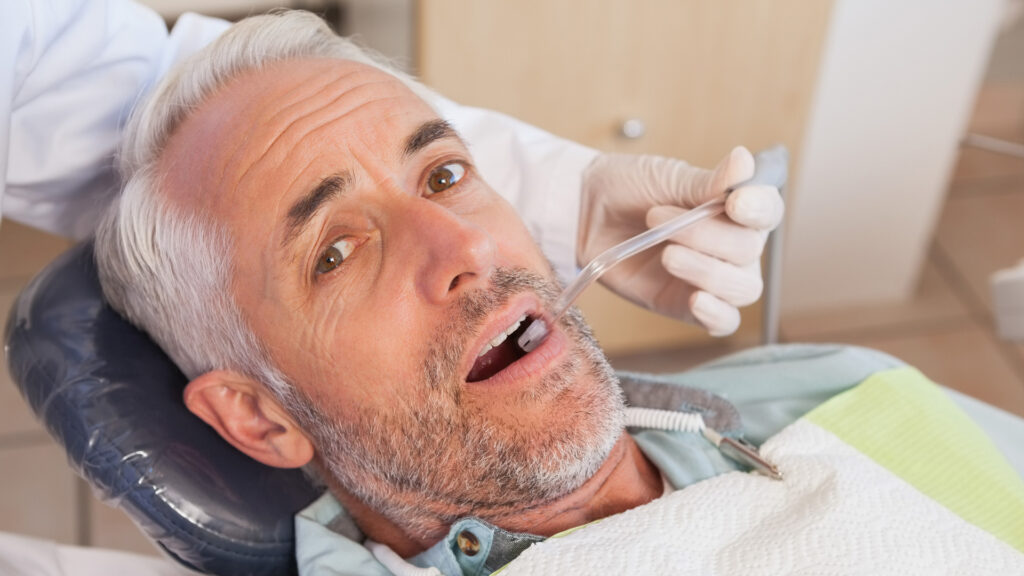

Dental emergencies have a way of making everything else feel unimportant. A ringing phone, a packed calendar, a family dinner, a school run, none of it matters much when a tooth cracks at 9 p.m. Or a swelling starts pushing into your cheek on a Sunday morning. People often assume emergency dental care means only unbearable pain or dramatic trauma. In practice, the scope is broader, and knowing what an Emergency Dentist can actually treat helps you act faster, protect the tooth, and avoid a small problem turning into a hospital visit.
One of the most common mistakes patients make is waiting too long because they hope the pain will settle. Sometimes it does, briefly. That lull can be deceptive. Dental infections can spread, cracked teeth can split further, and a knocked out tooth has a much better chance of being saved within a narrow time window. The right response is not panic. It is prompt, informed action.
What counts as a dental emergency
Not every tooth problem needs same-day care, but many deserve urgent attention. A true dental emergency usually involves one of three things: severe pain that does not let up, signs of infection or swelling, or trauma to the teeth, gums, or jaw. Bleeding that will not stop is another clear red flag.
A lost filling that feels mildly annoying may be inconvenient rather than emergent. A broken tooth with no pain can sometimes wait a day or two. But once pain escalates, swelling appears, or the broken edge is exposing the inner tooth, the risk changes. Emergency dental services are designed to assess that risk quickly and stabilize the situation, even if definitive treatment needs to happen in stages.
There is also an important difference between urgent and life-threatening. A dental office can handle many urgent issues, but trouble breathing, difficulty swallowing, major facial trauma, uncontrolled bleeding, or swelling spreading toward the eye or neck can cross into medical emergency territory. In those cases, emergency medical care comes first.
The role of an Emergency Dentist
An Emergency Dentist is not just there to pull teeth. That is one of the biggest misconceptions patients bring into Emergency Dentist the chair. Emergency care often focuses on preserving the tooth, controlling infection, reducing pain, and preventing complications. The first visit may be about diagnosis and stabilization rather than a final, polished result.
In a typical urgent appointment, the dentist or clinical team will ask when the problem started, whether the pain is sharp, throbbing, or pressure-like, and whether hot, cold, or biting makes it worse. They may take targeted dental X-rays, test the tooth’s response, and examine the surrounding gums and jaw. Those details matter because several different problems can feel similar to the patient. A deep cavity, a cracked cusp, a dying nerve, and a gum abscess can all produce severe pain, but they call for different treatment plans.
A good emergency appointment is practical. It aims to answer four questions quickly: What is causing this, can it get worse fast, how do we get you comfortable, and what needs to happen next?
Severe toothache treatment
Tooth pain is probably the reason most people seek emergency dental care, and it is rarely “just a bad toothache.” Severe pain often points to inflammation or infection inside the tooth, usually in the pulp where the nerve and blood supply sit. When pressure builds in that confined space, the pain can become relentless. Patients describe it as keeping them awake, making it impossible to chew, or radiating into the ear, temple, or jaw.
Emergency treatment depends on the cause. If the pulp is inflamed but the tooth can still be saved, the dentist may open the tooth to relieve pressure and begin root canal therapy. In other cases, they may place medication inside the tooth and seal it temporarily, then complete treatment at a follow-up visit. If the tooth is too damaged to restore, extraction may be the most predictable option.
Pain control is part of the service, but it should be understood correctly. The goal is not simply to prescribe something strong and send you home. The most effective relief usually comes from removing the source of pressure or infection. Patients are often surprised that once the tooth is opened and drained, the pain drops much faster than with medication alone.
Treatment for dental abscess and swelling
An abscess is one of the most time-sensitive problems an Emergency Dentist handles. It can start at the tip of a tooth root, in a deep gum pocket, or around a partially erupted wisdom tooth. The symptoms vary. Some people have a visible pimple on the gum and a foul taste. Others present with a swollen cheek, a fever, tender lymph nodes, and difficulty opening their mouth.
Emergency management may include draining the abscess, prescribing antibiotics when indicated, and treating or removing the offending tooth. Antibiotics have an important role, but they are not a cure by themselves. If the source remains, the infection often flares again. This is why many patients feel better for a week after urgent care medication, then land back in the chair with the same issue.
There is also a judgment call involved. A small localized abscess in a healthy adult is different from rapidly spreading facial swelling in someone who is immunocompromised, diabetic, pregnant, or medically fragile. In the second scenario, a dentist may coordinate more closely with a physician or send the patient for hospital evaluation.
Broken, chipped, and cracked teeth
A broken tooth after biting down on ice, a popcorn kernel, a hard sweet, or an olive pit is a classic emergency scenario. So is waking up with a fractured molar from nighttime grinding. Not every chip is serious. A small cosmetic nick in a front tooth can often wait briefly. A crack extending into dentin, the deeper structure beneath enamel, is a different matter. The tooth may become extremely sensitive, painful to bite on, or structurally unstable.
Emergency dentists commonly provide smoothing of sharp edges, bonded repairs, temporary protective coverings, and full evaluations to determine whether a crown, root canal, or extraction is necessary. Sometimes the immediate service is simple and very effective. Covering exposed dentin or replacing a missing fragment can take a patient from searing pain with every sip of water to manageable comfort in one visit.
Cracks are tricky because they do not always show clearly on X-rays. Clinical judgment matters. Pain on release when biting, a specific tender cusp, and a history of sudden sharp pain on chewing can all point toward a crack even when imaging looks unremarkable.
Knocked out teeth and dental trauma
When a permanent tooth is knocked out completely, the clock starts immediately. This is one of the few situations where what happens in the first 30 to 60 minutes can make a dramatic difference. If the tooth is handled properly and reimplanted quickly, it may be saved. If it dries out or is scrubbed aggressively, the odds fall.
For children, there is one very important exception. A knocked out baby tooth should not be reinserted because doing so can damage the developing adult tooth underneath. This is a point parents often do not know in the heat of the moment.
Trauma services from an Emergency Dentist can include reimplanting a permanent tooth, stabilizing a displaced tooth with a splint, repairing fractured enamel, dentin, or pulp exposure, and evaluating the lip, gum, and bone for associated injury. In some cases, the tooth survives the accident but the nerve later dies, making delayed root canal treatment necessary. Trauma care often unfolds over several visits, not just one.
Lost crowns, fillings, and bridges
These problems do not sound dramatic, but they can become urgent depending on what is exposed. A lost crown on a back tooth may leave a prepared stump that is highly sensitive or prone to fracture. A lost filling can expose softened tooth structure that traps food and worsens decay quickly. A detached bridge may make chewing difficult and, if aspirated or swallowed, can become a medical issue.
Emergency management may involve re-cementing a crown if it still fits well, placing a temporary restoration, or covering the tooth until a new crown can be made. Patients often ask whether store-bought dental cement is enough. It can help in a pinch for a day or two, but it is not a substitute for proper evaluation. If the crown came off because the tooth decayed underneath or fractured, simply gluing it back in place can hide a deeper problem.
Bleeding, soft tissue injuries, and post-extraction problems
Emergency dental services extend beyond teeth. Cuts to the lips, cheeks, tongue, and gums can bleed heavily because the mouth has a rich blood supply. Dentists routinely evaluate whether the wound is clean, whether there are embedded tooth fragments, and whether sutures are needed.
A common urgent call after oral surgery or extraction is persistent bleeding. Often the issue is not true hemorrhage but oozing mixed with saliva, which can look more dramatic than it is. Even so, the dentist needs to assess whether the clot is forming properly, whether blood thinners are in play, and whether additional local measures are required.
Another frequent complication is dry socket, especially after wisdom tooth removal. Patients usually describe it as increasing pain a few days after extraction, often with a bad taste or odor. Emergency treatment focuses on cleaning the site, applying medicated dressing if appropriate, and guiding pain management while healing progresses.
Emergency root canal care
Few phrases generate as much anxiety as “you need a root canal,” but in an emergency setting it is often the procedure that saves the tooth and stops the pain fastest. When infection or inflammation reaches the pulp, filling the cavity is no longer enough. The diseased tissue inside the canals must be removed, the space Emergency Dentist disinfected, and the tooth sealed.
In an urgent visit, the dentist may complete the full root canal if time, anatomy, and swelling permit. In other situations, especially if the tooth is difficult, the patient is in acute distress, or the case requires a specialist, the immediate service may be pulpotomy, pulpectomy, or canal debridement to relieve pain until definitive treatment can be finished.
Patients often worry that root canal therapy itself is painful. In real-world practice, the pain of the untreated tooth is the bigger problem. Once profound local anesthesia is achieved, the procedure is usually far more tolerable than people expect.
When extraction becomes the right emergency service
Dentists do not remove teeth lightly, but there are situations where extraction is the most sensible emergency treatment. A tooth fractured below the gumline, one destroyed by decay beyond restoration, or one associated with severe recurrent infection may have little predictable future. In those cases, trying to preserve it at all costs can mean repeated pain, repeated expense, and eventual failure.
That said, emergency extraction should include a conversation about what comes next. Losing a visible front tooth raises very different concerns from losing a back molar. Replacing the tooth, whether with an implant, bridge, or partial denture, may affect chewing, speech, and shifting of neighboring teeth. Good emergency care does not stop at removal. It frames the medium-term plan as well.
Signs you should seek urgent dental care right away
The line between “I can wait until next week” and “I need to call today” is not always obvious, especially when symptoms start mildly and escalate over hours. These situations generally deserve same-day or immediate contact with an Emergency Dentist:
- Severe, persistent tooth pain that keeps you from sleeping, eating, or functioning normally.
- Swelling of the gums, face, or jaw, especially if it is spreading or paired with fever.
- A permanent tooth that has been knocked out, loosened, or pushed out of position.
- Bleeding in the mouth that does not slow with pressure, or significant injury to the lips, gums, or tongue.
- A broken tooth with visible nerve exposure, intense sensitivity, or sharp pain when biting.
If you are unsure, it is still worth calling. Many emergency dental teams can triage over the phone and tell you whether you need to come in immediately, later that day, or the next morning.
What to do before you get to the office
The right first aid at home or on the way to the clinic can make treatment easier and, in some trauma cases, improve the outcome substantially. A few simple steps matter:
- Rinse gently with warm salt water if there is debris or blood, but do not probe the area with sharp tools.
- Use a cold compress on the outside of the face for swelling or trauma, usually in short intervals.
- If a permanent tooth is knocked out, hold it by the crown, not the root, and keep it moist in milk or saliva if you cannot reinsert it.
- Take over-the-counter pain relief if you normally can use it safely, but avoid placing aspirin directly on the gum or tooth.
- Bring any broken tooth fragments, lost crown, or dental appliance with you to the appointment.
That last point is often overlooked. A fragment from a front tooth can sometimes be bonded back beautifully if it is kept clean and brought in promptly.
What an emergency visit usually costs, and why the price varies
Cost is one reason patients delay treatment, and the hesitation is understandable. Emergency dentistry can range from a focused exam with X-rays to surgical extraction or complex trauma management. There is no honest single number that applies everywhere. Urban clinics, after-hours appointments, specialist involvement, imaging needs, and the treatment itself all change the fee.
A basic emergency exam is often the least expensive part. What drives the total is what must be done once the diagnosis is clear. Draining an abscess, placing a temporary filling, or re-cementing a crown is typically less involved than root canal therapy, a crown build-up, or extraction with bone grafting. The best clinics are transparent about this. They explain the urgent need, the immediate options, and which parts can safely be staged if finances are tight.
Insurance can help, but coverage varies widely. Some plans cover emergency evaluations readily while limiting major procedures. For uninsured patients, financing plans or phased care can make treatment more manageable. The key is not to avoid the visit because you fear the number. The untreated problem usually becomes more expensive.
Choosing the right Emergency Dentist
When pain spikes, people understandably search for the closest open office. Convenience matters, but so do capability and communication. A strong emergency dental provider is not just available. They are organized enough to see urgent cases promptly, equipped to take diagnostic images, and willing to explain options without rushing or overselling.
Experience matters especially in trauma, complicated extractions, and emergency endodontic care. So does judgment. Not every swollen tooth needs immediate extraction. Not every broken tooth needs a crown the same day. The best emergency dentists balance urgency with restraint. They know when a temporary measure is appropriate and when delay would be risky.
Practical details count too. Does the office offer after-hours guidance? Can they coordinate referral if a specialist is needed? Will they tell you clearly what to eat, how to manage pain, and when to come back? In emergencies, clarity can be just as valuable as technical skill.
How emergency dental care differs for children
Children present a distinct set of challenges. They fall off bikes, collide on playgrounds, chip front teeth on coffee tables, and wake up with swelling from cavities that progressed faster than anyone realized. The emotional side is different as well. A frightened child with a sore mouth may struggle to describe where it hurts, and parents are often trying to decide whether the issue is urgent or simply dramatic.
Pediatric dental emergencies often include trauma to front teeth, facial cuts, sudden swelling, and pain from deep decay. The treatment approach depends heavily on whether the tooth is primary or permanent. A loose baby tooth after a knock may simply be monitored, while a displaced permanent incisor needs urgent stabilization. This is another setting where the wrong well-intentioned first aid can do harm, especially if someone tries to push a baby tooth back into place.
Clinics that routinely see children in emergency settings tend to move differently. They explain in simpler terms, work quickly but gently, and often prioritize getting the child settled before doing anything invasive. That bedside manner is not a small thing. It shapes how a child feels about dental care long after the injury heals.
Nighttime emergencies and after-hours care
Many dental emergencies seem to happen outside business hours, probably because pain often intensifies when the day quiets down. Blood flow changes when lying flat, nighttime grinding adds pressure to already irritated teeth, and there are fewer distractions to mask discomfort. Unfortunately, this is when people are most tempted to “wait until morning” even if the swelling is getting worse.
After-hours emergency dental care can include on-call advice, next-morning reserved urgent slots, weekend clinics, or full same-night appointments depending on the practice and region. Patients should know that not every urgent issue needs the middle-of-the-night chair if basic pain control and temporary measures can safely bridge to the next day. On the other hand, rapidly increasing swelling, fever, trauma with tooth displacement, or uncontrolled bleeding should not be deferred casually.
One pattern many dentists see is the patient who takes leftover antibiotics or pain pills from a family member instead of calling. That creates confusion, can mask symptoms, and occasionally causes allergic or drug interaction problems. It is far better to get case-specific advice.
Prevention is not glamorous, but it prevents many emergencies
A large share of urgent dental visits are preventable. Not all, of course. Accidents happen. But untreated decay, old failing fillings, cracked teeth from grinding, and sports injuries account for a significant portion of emergency demand.
Routine exams catch small fractures before they split, identify cavities before the pulp is involved, and flag gum disease before infection spreads. Custom night guards help patients who clench hard enough to fracture molars. Athletic mouthguards reduce trauma in contact sports and even in activities like skateboarding or mountain biking, where falls are common. Good prevention looks boring right up until the day it saves you a painful weekend.
There is also a human factor here. Many people avoid the dentist because of anxiety, cost, or time. Then they end up seeking an Emergency Dentist for a crisis that required more treatment, more money, and far more stress than a routine visit would have. That cycle is common, and it is understandable, but it is still a cycle worth breaking.
The bigger value of knowing your options
Emergency dental care is not just about surviving the next few hours. It is about preserving choices. The faster the right problem is identified, the more likely you are to save a tooth, avoid a spreading infection, and limit the overall cost and complexity of treatment. That is the practical value of understanding what emergency dentists actually do.
If there is one guiding principle worth remembering, it is this: pain, swelling, bleeding, and trauma in the mouth should be taken seriously. You do not need to diagnose yourself perfectly. You just need to recognize when the situation has moved past home remedies and into professional territory. A capable Emergency Dentist can often do far more than patients expect, and timely care can make the difference between a short urgent visit and a much larger problem.